
MITOCHONDRIAL HEALTH RESEARCH
SS-31
10 mg
A Mitochondria-Targeted Peptide for Cellular Energy, Health & Longevity.
SS-31 (Elamipretide) is a synthetic tetrapeptide designed for its potential to protect the cardiolipin in the inner mitochondrial membrane. It has been studied for its potential to support mitochondrial function, cellular energy production and overall health. This product is intended for research purposes only.

A Healthier Tomorrow
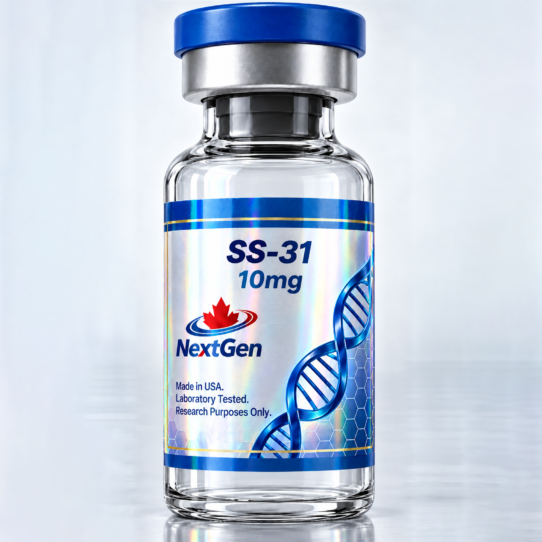
SS-31
10 mg
$110.00 — or $110.00 Original price was: $110.00.$99.00Current price is: $99.00. / month
Ships within 1-2 Business Days
Subscribe monthly and save 10%
- Ship to Canada,USA & Mexico
- Secure Checkout
- Add to wishlist

PREMIUM QUALITY:
Pharmaceutical-grade

INDEPENDENT TESTING:
Quality verification

BATCH TRANSPARENCY:
Product information

GLOBAL ACCESS:
Canada, USA & Mexico
SUPPORTING A HEALTHIER YOU
Real Benefits for Real Life.
SS-31 (Elamipretide) is a mitochondria-targeted peptide that has been studied for its potential to protect cardiolipin, support mitochondrial function, and help maintain cellular energy. It works by binding to cardiolipin in the inner mitochondrial membrane, helping to stabilize mitochondria and enhance oxidative stress resilience in research models.
- May support higher cellular energy and endurance (research)
- Studied for cardiovascular and heart health support (research)
- May support mitochondrial function and energy production (research)
- Investigated for brain health, focus and cognitive function (research)
- Antioxidant support to help protect cells and support healthy aging (research)
KEY AREAS OF HUMAN
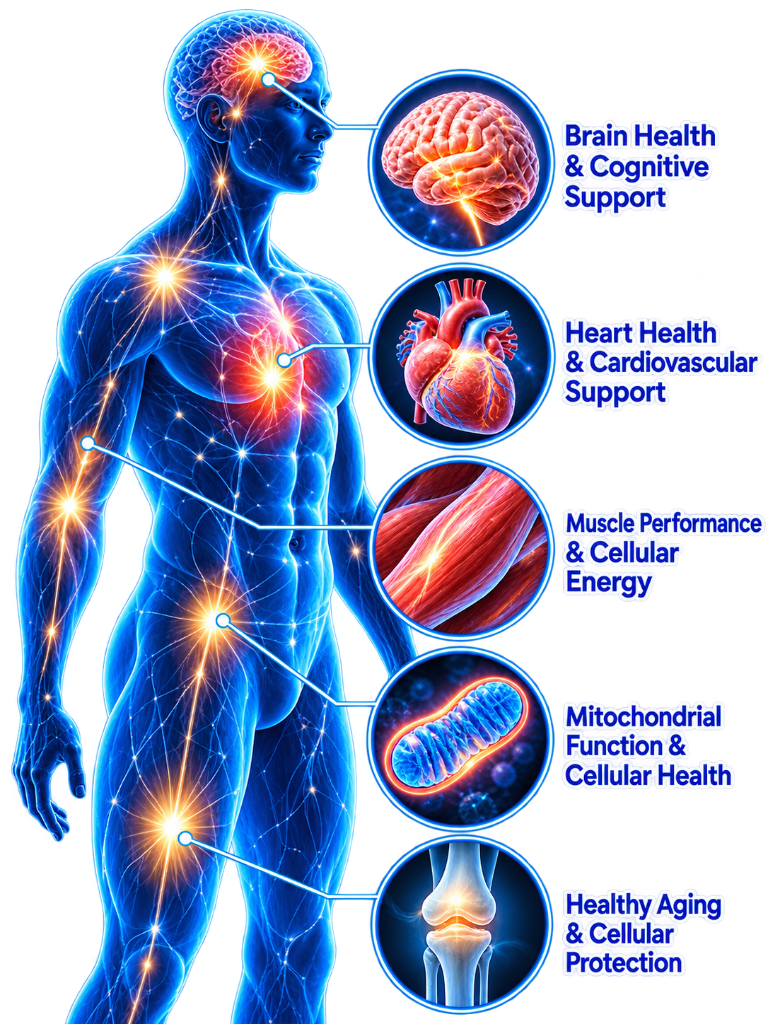
KEY AREAS OF HUMAN
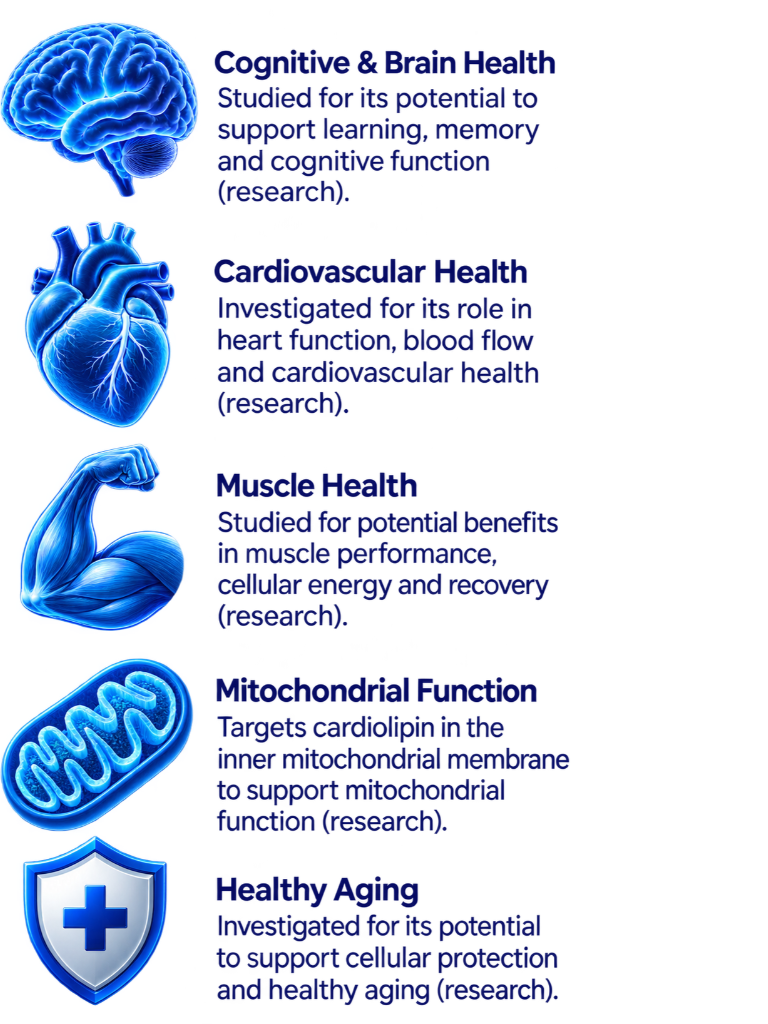
The Science
Evidence & Mechanism
SS-31 (Elamipretide) is a synthetic tetrapeptide that targets cardiolipin in the inner mitochondrial membrane. By binding to cardiolipin, it helps stabilize mitochondrial structure and function, support electron transport, reduce oxidative stress, and maintain cellular energy production. Research suggests SS-31 may modulate mitochondrial dynamics, support cellular resilience and promote energy metabolism in preclinical models. Human clinical evidence is limited, and it is primarily studied in research settings.
Targets and stabilizes inner mitochondrial membrane
May enhance mitochondrial energy production
Investigated for antioxidant and cellular protection
Explored for potential benefits in cellular health and aging in research models
Product Information
| Product Name | SS-31 (Elamipretide) |
| Common Name | SS-31 |
| Molecular Weight | 627.8 Da (lyophilized) |
| Strength | 10 mg |
| Vial Size | 3 mL |
| Purity | > 99% (HPLC) |
| Product Format | Lyophilized powder |
| Storage | Store refrigerated (2°C–8°C). Protect from light and moisture. |
| Intended Use | Research use only. Not approved for human use. |
Why Choose Nextgen
- Premium quality research products
- Independent laboratory testing
- Batch transparency
- Consistent quality standards
- Milligram App integration
- Dedicated customer support

FREQUENTLY ASKED QUESTIONS
Your Questions, Answered.
Find quick answers to common questions about this Product.
SS-31, also called elamipretide, interacts with cardiolipin in mitochondrial membranes. This gives researchers a way to investigate energy-related cell function. However, MMPOWER-3, a randomized trial in 218 people with primary mitochondrial myopathy, did not show improved walking distance or fatigue at 24 weeks compared with placebo. A mechanism does not guarantee symptom improvement.
A small Barth syndrome trial did not meet its primary outcomes during the randomized phase, while an open-label extension reported improvements in functional measures. In 2025, the US FDA granted accelerated approval to the clinical medicine Forzinity for muscle strength in a defined Barth syndrome population. That decision does not establish general energy or anti-ageing benefits for a research vial.
SS-31 is studied for mitochondrial membrane interactions, whereas MOTS-c research includes metabolic signalling. Their shared mitochondrial theme does not make them interchangeable or demonstrate benefit from combining them. MOTS-c performance experiments in mice and human measurements around exercise answer different questions from SS-31 clinical trials in people with defined diseases.