
METABOLIC HEALTH & WEIGHT MANAGEMENT
Retatrutide
20 mg
Triple-Pathway Metabolic Science.
Retatrutide (LY3437943) is a next-generation peptide that activates the GIP, GLP-1 and glucagon receptors. It is being studied in adults with obesity for its potential to support healthy weight management, improved metabolic health and cardiometabolic outcomes.

A Healthier Tomorrow
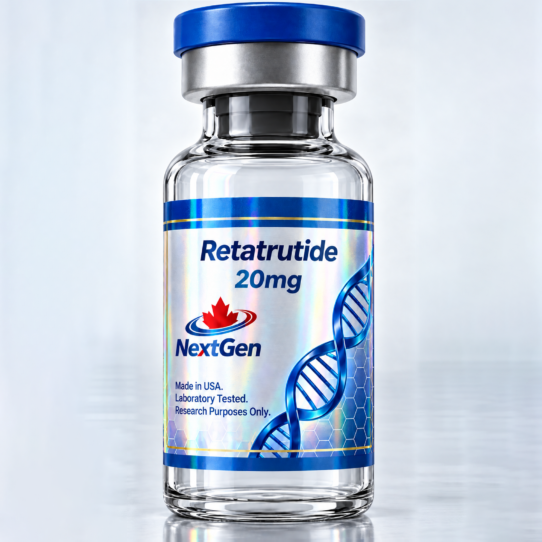
Retatrutide
20 mg
$130.00 — or $130.00 Original price was: $130.00.$117.00Current price is: $117.00. / month
Ships within 1-2 Business Days
Subscribe monthly and save 10%
- Ship to Canada,USA & Mexico
- Secure Checkout
- Add to wishlist

PREMIUM QUALITY:
Pharmaceutical-grade

INDEPENDENT TESTING:
Quality verification

BATCH TRANSPARENCY:
Product information

GLOBAL ACCESS:
Canada, USA & Mexico
SUPPORTING A HEALTHIER YOU
Multiple Pathways. Greater Possibilities.
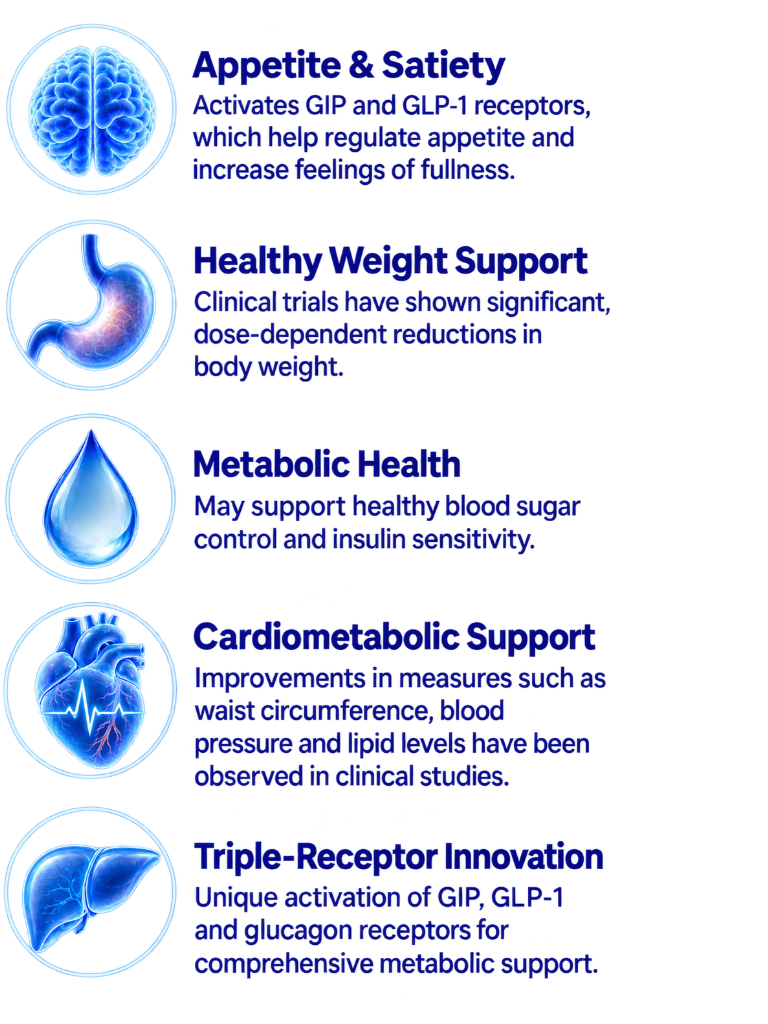
Retatrutide targets three key metabolic hormone receptors — GIP, GLP-1 and glucagon — which play important roles in appetite regulation, energy balance, glucose metabolism and body composition. Clinical trials in adults with obesity have shown significant weight reduction and improvements in cardiometabolic markers.
- Supports healthy weight management
- Helps reduce appetite and food intake
- Supports healthy blood sugar metabolism
- May improve blood lipids and other cardiometabolic measures
- A next-generation approach to metabolic health
KEY AREAS OF HUMAN
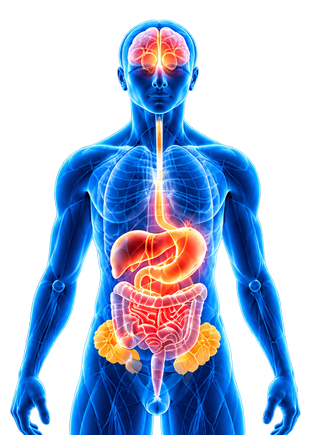
KEY AREAS OF HUMAN
The Science
Evidence & Mechanism
Retatrutide (LY3437943) is a single-molecule agonist of the GIP, GLP-1 and glucagon receptors. By activating these pathways, it helps regulate appetite, energy balance, glucose metabolism and lipid metabolism. In a Phase 2 randomized trial, adults with obesity achieved up to 24.2% mean body-weight reduction at 48 weeks, with improvements in several cardiometabolic measures.
Nutrient response & insulin signaling
Appetite regulation & glucose control
Energy expenditure & lipid metabolism
Weight & cardiometabolic improvements
Product Information
| Product Name | Retatrutide |
| Development Code | LY3437943 |
| Molecular Weight | ~4,824 Da (peptide) |
| Strength | 10 mg (lyophilized) |
| Vial Size | 3 mL |
| Purity | >99% (HPLC) |
| Product Format | Lyophilized powder |
| Storage | Store refrigerated (2°C–8°C). Protect from light and moisture. |
| Intended Use | Research use only. Not approved for human use. |
Why Choose Nextgen
- Premium quality research products
- Independent laboratory testing
- Batch transparency
- Consistent quality standards
- Milligram App integration
- Dedicated customer support

FREQUENTLY ASKED QUESTIONS
Your Questions, Answered.
Find quick answers to common questions about this Product.
Retatrutide activates GLP-1, GIP and glucagon receptors. In the 2026 TRIUMPH-1 trial, 2,339 adults with obesity without diabetes were randomized to retatrutide or placebo. At 80 weeks, the highest study group averaged 25.0% weight loss versus 3.9% with placebo under the treatment-regimen analysis, which accounts for treatment discontinuation. These are clinical-preparation findings, not proof of equivalent research-vial effects.
TRIUMPH-1 also examined participants with knee osteoarthritis and participants with obstructive sleep apnea. Retatrutide reduced measured knee pain and breathing-interruption rates compared with placebo in those subgroups. These findings describe symptom and breathing outcomes in selected adults with obesity. They do not demonstrate cartilage regeneration, apply to every cause of knee pain, or justify stopping prescribed sleep-apnea care.
Retatrutide, tirzepatide, semaglutide and cagrilintide act through different hormone pathways. Their trials also differ in participants, duration and statistical methods. A larger percentage from a separate study cannot establish which compound works best. Comparisons are most informative when they measure the same outcome in participants assigned within the same trial.
Early human research estimated a retatrutide half-life of approximately six days, meaning the blood concentration falls by about half over that period. This helps explain its development as a long-acting medicine, but does not establish a personal schedule. Clinical trials reported digestive adverse effects and changes in heart rate, so weight-loss findings need to be read alongside tolerability.