
RECOVERY & TISSUE RESEARCH
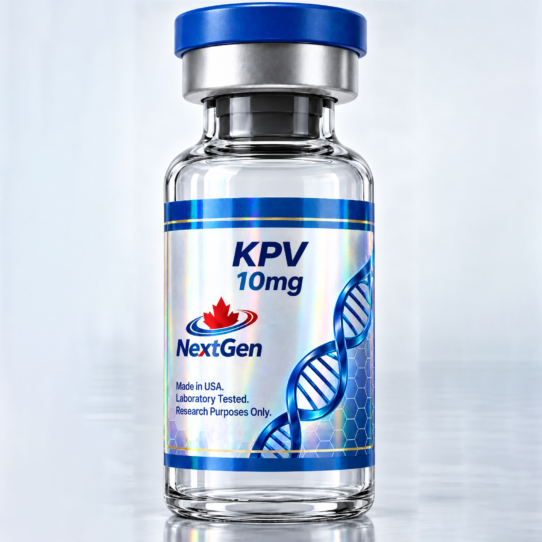
KPV
10 mg
Targeting Inflammatory Pathways
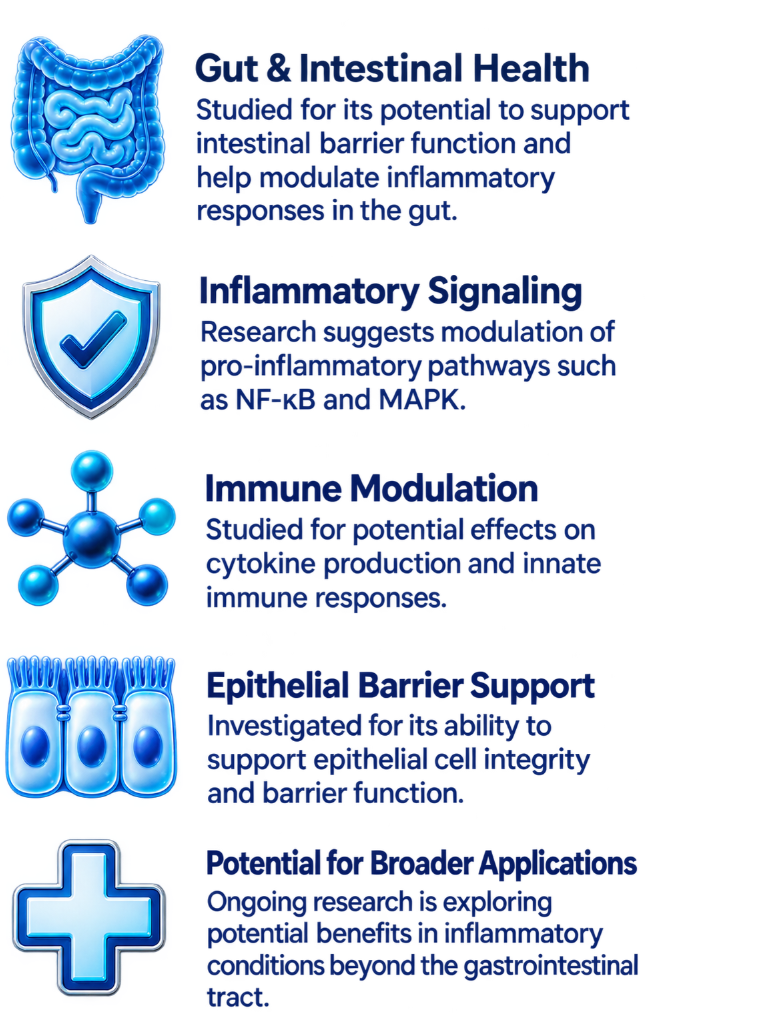
KPV (Lys-Pro-Val) is a naturally occurring tripeptide and the C-terminal fragment of alpha-MSH (a-MSH 11-13) that has been studied in preclinical and human-cell models for its potential to modulate inflammatory signaling, support intestinal epithelial barrier function and influence innate immune responses.
A Healthier Tomorrow
KPV
10 mg
$90.00 — or $90.00 Original price was: $90.00.$81.00Current price is: $81.00. / month
Ships within 1-2 Business Days
Subscribe monthly and save 10%
- Ship to Canada,USA & Mexico
- Secure Checkout
- Add to wishlist

PREMIUM QUALITY:
Pharmaceutical-grade

INDEPENDENT TESTING:
Quality verification

BATCH TRANSPARENCY:
Product information

GLOBAL ACCESS:
Canada, USA & Mexico
SUPPORTING A HEALTHIER YOU
Targeted Science. Broader Possibilities.
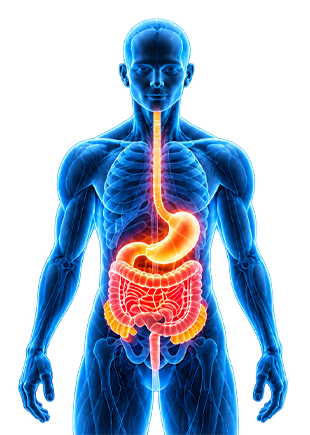
KPV has been studied in preclinical and human-cell models for its potential to reduce inflammation, support intestinal epithelial barrier function and modulate immune responses. While human clinical evidence remains limited, ongoing research continues to explore its potential across multiple biological systems relevant to gastrointestinal and immune health.
- Studied for its role in intestinal inflammation
- Explored for benefits to epithelial barrier function
- Investigated for immune and cytokine modulation
- Studied for anti-inflammatory signaling pathways
- Human clinical evidence remains limited
KEY AREAS OF HUMAN
KEY AREAS OF HUMAN
The Science
Evidence & Mechanism
KPV (Lys-Pro-Val) is a three-amino-acid peptide and the C-terminal fragment of alpha-MSH ($\alpha$-MSH 11-13). Preclinical and human-cell research suggests that KPV can modulate inflammatory signaling pathways, including NF-$\kappa$B and MAPK, support epithelial barrier function and influence immune responses. KPV may be transported into intestinal epithelial cells via the PepT1 peptide transporter, where it can exert anti-inflammatory effects. While results in animal and cell models are promising, human clinical evidence remains limited, and further research is needed to fully understand its effects in people.
Cellular uptake in intestinal epithelial cells
Modulation of inflammatory pathways
Support for barrier function and tight junctions
Influences cytokine production and immune responses
Product Information
| Product Name | KPV |
| Molecular Weight | 342.43 Da (peptide) |
| Strength | 10 mg (lyophilized) |
| Vial Size | 3 mL |
| Purity | ≥ 99% (HPLC) |
| Storage | Store refrigerated (2°C – 8°C). Protect from light and moisture. |
| Intended Use | Research use only. Not approved for human use. |
Why Choose Nextgen
- Premium quality research products
- Independent laboratory testing
- Batch transparency
- Consistent quality standards
- Milligram App integration
- Dedicated customer support
FREQUENTLY ASKED QUESTIONS
Your Questions, Answered.
Find quick answers to common questions about this Product.
KPV is a three-amino-acid peptide studied in intestinal and immune cell models. Researchers found that it entered cells through the PepT1 transporter and reduced inflammatory signalling. In mouse colitis models, KPV also reduced measures of intestinal inflammation. These preclinical findings explain the interest in gut biology, but do not establish treatment of human inflammatory bowel disease.
KPV and BPC-157 are different peptides with different experimental backgrounds. KPV studies directly examine intestinal inflammatory pathways, while BPC-157 literature includes tissue-repair models. The reviewed evidence does not establish which is better for human gut symptoms or whether combining them improves outcomes. Results need to remain tied to the exact molecule and study model.
The site lists KPV as the additional ingredient in KLOW compared with GLOW. That brings an inflammatory-signalling research hypothesis, rather than proof of stronger effects. Findings for KPV alone do not establish the benefit, safety or comparative performance of a mixture containing several other compounds. Direct studies of the complete formulation would be needed.