
Melanotan II
10 mg
Melanocortin Signaling. Pigmentation Biology. Human Study History.
Melanotan II (MT-II) is a synthetic melanocortin peptide studied for its role in supporting skin pigmentation and melanocortin signaling. Early human research explored its effects on tanning response, while additional studies examined appetite and sexual-function pathways. It remains of interest for pigmentation-focused research, with broader benefits still being investigated.
A Healthier Tomorrow
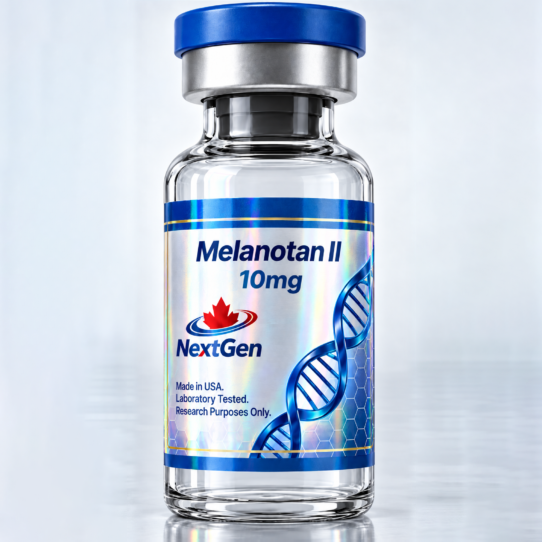
Melanotan II
10 mg
$80.00 — or $80.00 Original price was: $80.00.$72.00Current price is: $72.00. / month
Ships within 1-2 Business Days
Subscribe monthly and save 10%
- Ship to Canada,USA & Mexico
- Secure Checkout
- Add to wishlist

PREMIUM QUALITY:
Pharmaceutical-grade

INDEPENDENT TESTING:
Quality verification

BATCH TRANSPARENCY:
Product information

GLOBAL ACCESS:
Canada, USA & Mexico
SUPPORTING A HEALTHIER YOU
Melanocortin Pathways & Human Relevance.
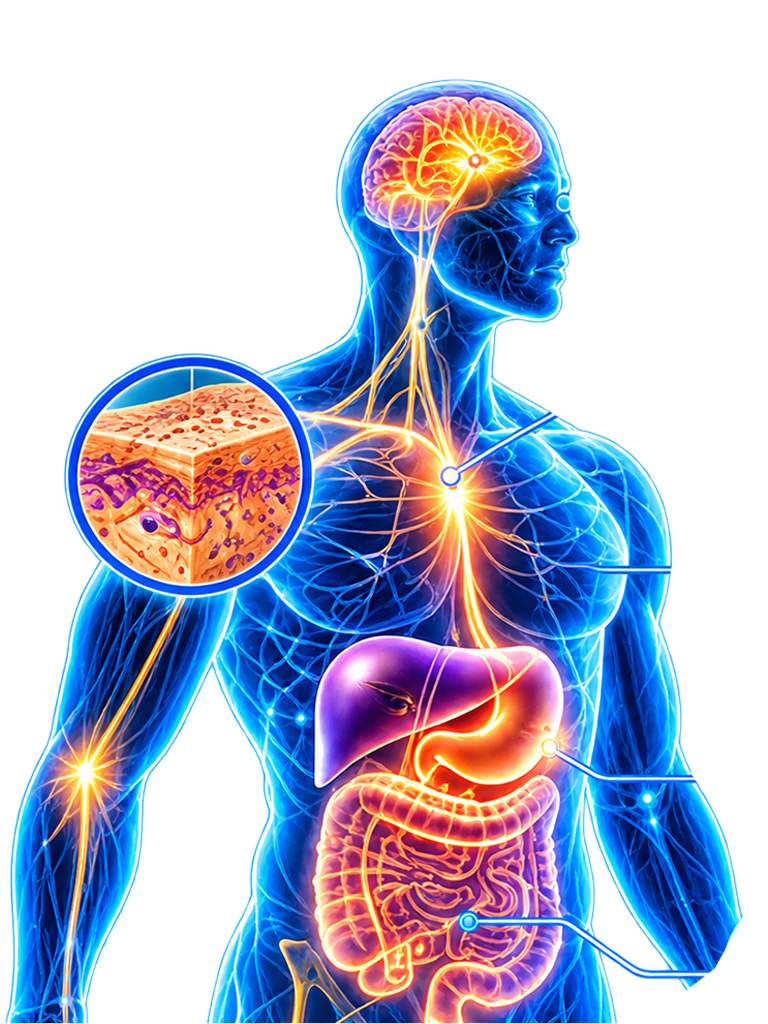
Melanotan II activates melanocortin receptors, influencing pigmentation, neuroendocrine signaling, appetite regulation and sexual function. Human studies have explored its effects on skin pigmentation and erectogenic responses, while broader metabolic effects remain an area of ongoing research.
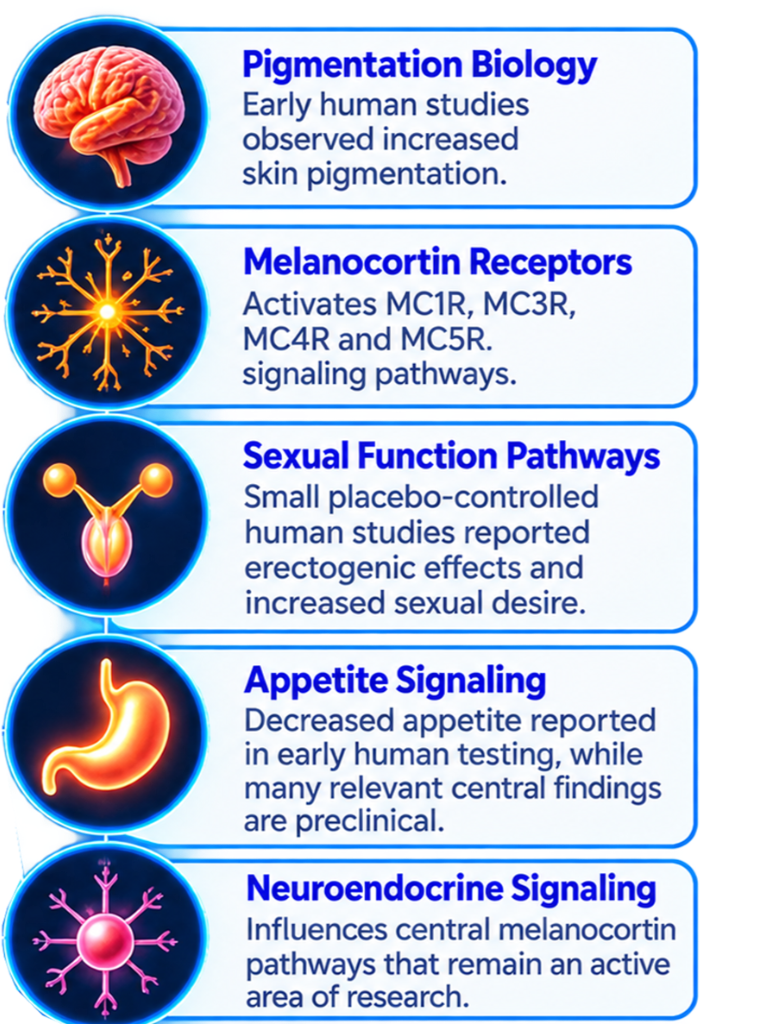
- Non-selective MC1R, MC3R, MC4R and MC5R agonist
- Increases skin pigmentation observed in early human studies
- Influences central melanocortin signaling pathways
- Sexual function pathways studied in small human trials
- Appetite effects reported in early human testing, with broader metabolic effects primarily preclinical.
KEY AREAS OF HUMAN
KEY AREAS OF HUMAN
The Science
Evidence & Mechanism
Melanotan II is a non-selective melanocortin receptor agonist acting across MC1R, MC3R, MC4R and MC5R. Small early human studies demonstrated increased skin pigmentation and reported erectogenic effects and increased sexual desire. Nausea, yawning, fatigue or somnolence and decreased appetite were reported adverse effects. Broader appetite and metabolic findings are primarily preclinical.
Stimulates melanocyte activity and increases skin pigmentation.
Influences appetite and energy balance pathways.
Modulates central melanocortin pathways in the brain.
Studied for potential roles in endocrine function.
Product Information
| Product Name | Melanotan II (MT-II) |
| Class | Synthetic cyclic heptapeptide alpha-MSH analog |
| Receptors | MC1R, MC3R, MC4R, MC5R |
| Strength | 10MG |
| Vial Size | 3 mL |
| Purity | ≥99% (HPLC) |
| Product Format | Lyophilized powder |
| Storage | -20°C, dry, protected from light |
| Intended Use | Research use only. Not authorized by Health Canada for human use. |
Why Choose Nextgen
- Premium quality research products
- Independent laboratory testing
- Batch transparency
- Consistent quality standards
- Milligram App integration
- Dedicated customer support

FREQUENTLY ASKED QUESTIONS
Your Questions, Answered.
Find quick answers to common questions about this Product.
Melanotan II activates melanocortin pathways involved in pigmentation and other body responses. A very small phase 1 study in three men observed increased pigmentation in two participants. It also reported nausea, fatigue and spontaneous erections. The experiment establishes an early biological signal, rather than a reliable estimate of cosmetic benefit or safety for routine tanning.
A darker skin appearance does not establish protection from ultraviolet damage or replace sun protection. Reports following Melanotan II use include prolonged erections and serious systemic reactions. Case reports cannot determine how often these occur, but they make broad “safe tanning” claims inappropriate. Long-term cosmetic safety has not been established by the small early studies.
Both compounds have melanocortin research backgrounds, but they are different molecules with different clinical evidence. Bremelanotide, also called PT-141, has controlled trials in premenopausal women with hypoactive sexual desire disorder. Those findings do not establish sexual-health benefits or safety for Melanotan II, and evidence for one should not be presented as evidence for the other.